

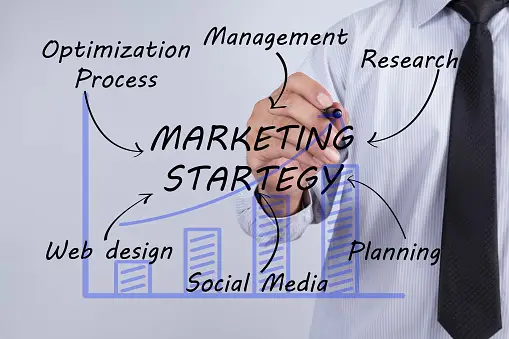
In today’s hyper-competitive digital landscape, growth does not happen by accident. Posting randomly on social media, running ads without a plan, or copying competitors may bring short-term attention—but it will never deliver sustainable results. Real online growth comes from a clearly defined, data-driven digital marketing strategy.
Whether you are a business owner, startup founder, marketer, or entrepreneur, your success online depends on one critical factor: having a structured digital roadmap. A strong digital marketing strategy helps you attract the right audience, communicate the right message, and convert attention into measurable revenue.
This in-depth blog post explains what a digital marketing strategy is, why it matters, how it works, and how businesses use digital marketing strategy services, agencies, consultants, and strategists to dominate competitive online markets.
What Is a Digital Marketing Strategy?
A digital marketing strategy is a long-term, structured plan that defines how a business uses digital channels to achieve specific marketing and revenue goals.
Instead of relying on guesswork, a digital marketing strategy is built on data, research, and measurable outcomes.
At its core, a digital marketing strategy connects:
- Business objectives
- Customer behavior and intent
- Digital platforms and channels
- Marketing execution and optimization
A strong strategy answers four fundamental questions:
- Who is your ideal customer?
- Where do they spend their time online?
- What message influences their decisions?
- How do you convert attention into leads and sales?
Unlike tactics (such as running ads or posting content), strategy focuses on direction, structure, and long-term results.
Digital Marketing Strategy vs Marketing Strategy
Many people confuse these two concepts, but they are not the same.
A marketing strategy defines the overall approach to reaching customers—both online and offline.
A digital marketing strategy is a focused extension of that plan, designed specifically for digital platforms.
Marketing Strategy Includes:
- Brand positioning
- Target market selection
- Pricing and value proposition
- Messaging and differentiation
Digital Marketing Strategy Includes:
- SEO digital marketing
- Content marketing
- Social media strategy
- Paid advertising
- Conversion rate optimization (CRO)
- Email and automation
In modern business, digital marketing strategy is no longer optional—it is central to growth.
Why Digital Marketing Strategy Is Critical for Business Growth
Businesses that operate without a clear digital strategy often struggle with:
- Low-quality website traffic
- Poor conversion rates
- Wasted advertising budgets
- Inconsistent branding
- Unpredictable results
A well-planned digital marketing strategy delivers powerful advantages:
- Targeted visibility across search engines and platforms
- Higher return on investment (ROI)
- Predictable lead generation
- Scalable and sustainable growth
Instead of reacting to trends, strategy-driven businesses build repeatable growth systems.
Core Pillars of a High-Performance Digital Marketing Strategy
A successful digital marketing strategy is built on interconnected pillars that support and amplify each other.
1. SEO Digital Marketing
SEO digital marketing is the foundation of long-term online visibility. It ensures your business appears when users actively search for products, services, or solutions.
Key SEO Components:
- Keyword research
- Search intent optimization
- Technical SEO
- On-page and content optimization
- Authority and link building
SEO is not just about traffic—it is about qualified traffic that converts.
2. Content Marketing Strategy
Content is the engine that powers every digital marketing strategy.
High-quality content:
- Educates users
- Builds trust and authority
- Answers real questions
- Supports SEO rankings
- Nurtures leads
Common Content Types:
- Blog posts
- Long-form guides
- Videos
- Case studies
- Landing pages
A strong content marketing strategy aligns user intent with business goals.
3. Social Media Marketing Strategy
Social media allows brands to connect with audiences emotionally and socially.
An effective social media strategy focuses on:
- Platform selection (where your audience actually is)
- Consistent brand voice
- Engagement-driven content
- Paid amplification and remarketing
Social media supports brand awareness, trust, and long-term loyalty.
4. Paid Advertising Strategy
Paid advertising accelerates results when done strategically.
Popular Paid Channels Include:
- Google Ads
- Social media advertising
- Display and native ads
- Retargeting campaigns
Paid media works best when aligned with a broader digital marketing strategy, not run in isolation.
5. Conversion Rate Optimization (CRO)
Traffic without conversions is wasted potential.
Conversion Rate Optimization (CRO) focuses on turning visitors into customers.
CRO Includes:
- Landing page optimization
- Clear CTAs
- Funnel optimization
- User experience improvements
A strong digital marketing strategy always prioritizes conversion, not just clicks.
How to Build a Digital Marketing Strategy Step by Step
Creating a winning digital marketing strategy requires structure and discipline.
Step 1: Define Clear Business Goals
Every digital marketing strategy starts with clarity.
Examples of Clear Goals:
- Increase organic traffic by 50%
- Generate 1,000 qualified leads per quarter
- Improve conversion rate by 25%
Clear goals guide budgeting, channel selection, and execution.
Step 2: Identify Target Audience and Buyer Personas
Understanding your audience is non-negotiable.
Analyze:
- Demographics
- Online behavior
- Pain points
- Buying triggers
Well-defined buyer personas create relevant and persuasive campaigns.
Step 3: Conduct Competitive Analysis
A competitive audit helps you identify:
- Content gaps
- Keyword opportunities
- Positioning weaknesses
This allows your digital marketing strategy to outperform competitors instead of copying them.
Step 4: Choose the Right Digital Channels
Not every channel fits every business.
Examples:
- B2B: SEO, LinkedIn, content marketing
- E-commerce: Paid ads, email automation, social media
- Local businesses: Local SEO, Google Ads
Channel selection must match customer behavior and intent.
Step 5: Develop a Content and SEO Roadmap
Your roadmap defines:
- Target keywords
- Content formats
- Publishing frequency
- Distribution strategy
Consistency is what turns SEO digital marketing into long-term success.
Step 6: Allocate Budget Strategically
Budget allocation should align with ROI potential.
Balance:
- Organic growth (SEO, content)
- Paid growth (ads, influencers)
- Tools and analytics
Smart budgeting ensures sustainable growth, not short-term spikes.
Step 7: Measure, Optimize, and Scale
A digital marketing strategy is never static.
Track:
- Traffic quality
- Conversion rates
- Cost per lead
- ROI
Continuous optimization turns good strategies into great ones.
Role of a Digital Marketing Strategist
A digital marketing strategist designs, executes, and optimizes the complete digital roadmap.
Key Responsibilities:
- Market research
- Strategy development
- Performance tracking
- Channel integration
A strategist ensures all digital efforts align with business objectives.
Digital Marketing Strategy Consultant: When and Why to Hire One
A digital marketing strategy consultant provides expert guidance without long-term hiring commitments.
Best For:
- Businesses entering new markets
- Brands facing growth stagnation
- Companies restructuring marketing efforts
Consultants deliver clarity, audits, and actionable plans.
Digital Marketing Strategy Agency vs In-House Team
A digital marketing strategy agency offers end-to-end execution.
Agency Advantages:
- Specialized expertise
- Scalable resources
- Faster implementation
In-House Advantages:
- Deep brand familiarity
- Long-term alignment
Many businesses adopt a hybrid model for maximum efficiency.
Digital Marketing Strategy Services Explained
Professional digital marketing strategy services typically include:
- Strategy planning
- SEO digital marketing
- Content creation
- Paid advertising management
- Analytics and reporting
These services turn strategy into measurable execution.
Digital Marketing Strategy for Small Businesses
Small businesses benefit greatly from focused strategies.
Effective Approaches:
- Local SEO
- Content marketing
- Email nurturing
- Social engagement
A smart digital marketing strategy creates equal opportunities for growth.
Digital Marketing Strategy for E-Commerce Brands
E-commerce brands prioritize:
- Product SEO
- Conversion optimization
- Retargeting campaigns
- Email automation
Data-driven strategies increase customer lifetime value.
Common Digital Marketing Strategy Mistakes
Avoid these costly errors:
- No clear goals
- Ignoring SEO digital marketing
- Chasing trends blindly
- Not tracking ROI
- Weak conversion focus
Strategy discipline prevents wasted effort and budget.
Latest Trends in Digital Marketing Strategy
Modern digital strategies embrace:
- AI-driven personalization
- Voice search optimization
- Video-first content
- Zero-click search optimization
Adapting to trends keeps brands competitive and visible.
FAQs: Digital Marketing Strategy
What is digital marketing strategy in simple words?
It is a plan that explains how a business uses digital platforms to achieve marketing and sales goals.
Who needs a digital marketing strategy consultant?
Businesses struggling with growth, clarity, or ROI benefit the most.
Is SEO digital marketing part of digital marketing strategy?
Yes, SEO digital marketing is a core pillar of long-term success.
What does a digital marketing strategist do?
They plan, manage, and optimize digital efforts for maximum impact.
Are digital marketing strategy services worth it?
Yes, when aligned with clear goals and consistent execution.
Conclusion
A digital marketing strategy is not just a document—it is a business growth engine. It unifies measurable goals, digital platforms, and customer intent into a single, scalable system.
Whether you work with a digital marketing strategist, hire a digital marketing strategy consultant, or partner with a digital marketing strategy agency, success depends on strategic clarity and disciplined execution.
In a digital-first world, businesses that invest in a strong, adaptable digital marketing strategy don’t just survive—they lead the market.